JOURNAL · KOPITIAM
The Kopitiam Before the Awnings Rise
22 August 2025
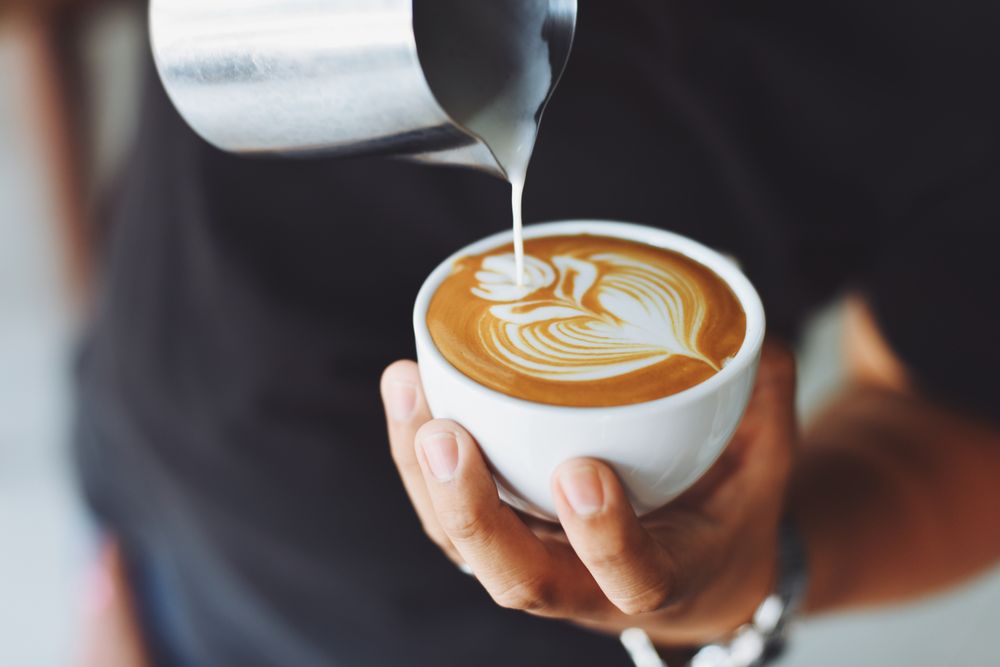
The uncle at the kopitiam knows I am half-awake before I reach the counter. He has the kopi-o ready — not because I told him today, but because Tuesday mornings at Chinatown Complex follow a pattern older than my tenancy in the block.
I come early on purpose. The wet market on the floor below is still arranging itself: crates of chye sim sliding across wet tile, the fish stall hosing down glass, aunties in aprons comparing prices in three languages at once. Upstairs at the kopitiam, the fans turn slow and the marble tables hold the night's cool. A few regulars occupy the corner near the window that looks toward Kreta Ayer Road. Nobody speaks much. The clink of spoons against kopi tins is enough conversation.
My kaya toast arrives cut diagonally — always diagonally, though I have never asked why. The butter is thick enough to leave a crescent on the plate. I pull apart the halves and watch the steam rise from the soft-boiled eggs in their little metal cups. This is the meal I eat when I want to remember that the city has a gentler hour, before the MRT platforms fill and the five-foot-ways become a corridor of elbows and phone screens.

There is an uncle two tables over who reads the same folded paper every morning. I do not know his name. He nods at the toast boy when refills come. Once I dropped my EZ-link card and he picked it up without comment, placed it beside my saucer, and returned to page four. We have never exchanged words beyond that. I think of him when people ask whether Singapore feels anonymous. Sometimes it feels like a room where everyone agrees not to disturb the arrangement.
Through the window I can see the first red lanterns being switched off along the shophouse row — daylight making them redundant. A cleaner sweeps the five-foot-way below, pushing yesterday's leaf litter toward a drain that will swallow it before noon. The kopitiam radio plays an old Cantonese ballad softly enough that it blends with the mahjong tiles being stacked in the back room.
I stay until the second wave arrives: office workers grabbing takeaway, delivery riders leaning their bikes against the railing, the auntie who sells tissue packets starting her rounds. The kopitiam changes register then. My quiet hour ends. I pay — cash, always, because the uncle prefers it — and take the stairs down into the market's fuller noise.
On the way out I pass the drink stall where later I will order something cold. Right now the auntie is still setting out cups in stacks of ten. She catches my eye and says, "Early again, ah?" I shrug. She laughs without waiting for an answer.
That is the whole morning. No revelation, no lesson. Only kopi, toast, and the small pleasure of being a known quantity in one corner of a very large food centre — a person whose order arrives before the tongue remembers it is thirsty.